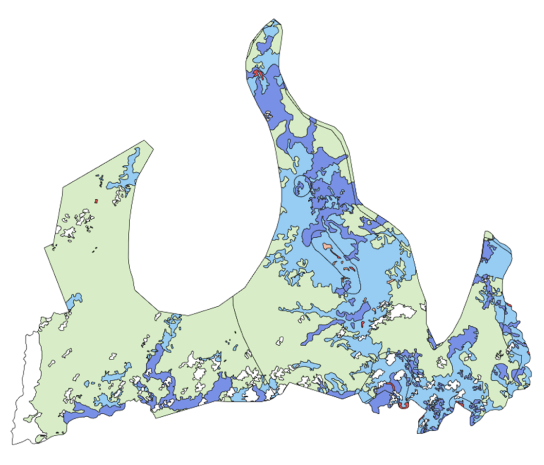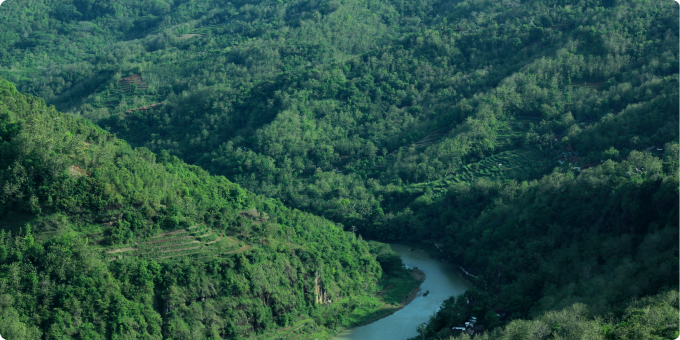
Katingan Regency, Central Kalimantan, Indonesia
Meranti Mustika IFM Development
Lorem ipsum dolor sit amet, consectetur adipisci elit, sed eiusmod tempor incidunt ut labore et dolore magna aliqua. Ut enim ad minim.
Quis aute iure reprehenderit in voluptate velit esse cillum dolore eu fugiat nulla pariatur. Excepteur sint obcaecat cupiditat non proident, sunt in culpa qui officia deserunt mollit anim id est laborum.
The Issue
The concession area of PT Meranti Mustika in Central Kalimantan presents a unique opportunity to support Indonesia's sustainability and climate goals. With 49,320 hectares of rich tropical forest, the area has enormous potential for carbon storage and biodiversity conservation. However, like many forested regions, this area faces challenges related to land use, including extensive logging activities and land conversion. Between 2012 and 2023, these land cover changes of 6,646.9 ha resulted in approximately net emissions of 6.06 million tonnes of CO2-e during the period. While these activities support local economies through its, they also highlight the importance of adopting sustainable practices to maintain forest health and ensure long-term environmental and economic benefits.
The Goal
The Improved Forest Management (IFM) project by PT Meranti Mustika focuses on enhancing sustainable forestry practices across its concession, targeting emissions reduction and increased carbon storage. Through forest protection, revegetation efforts, and community involvement, the project aims to maintain forest cover, restore degraded areas, and safeguard biodiversity. The forest conservation actions include: 1) Protecting 4,010 hectares of existing secondary forests and expanding protected zones by 933 hectares. 2) Rehabilitation of 1,059 hectares of non-forested areas through the planting of native species. 3) Promoting agroforestry initiatives such as citronella and jabon cultivation. These efforts will reduce an estimated 532,000 tons of CO2 annually and align with Indonesia's FOLU Net Sink 2030 target, while generating carbon credits that will be available in the voluntary carbon market and SRN PPI to support a transition towards more sustainable forest management practices.